
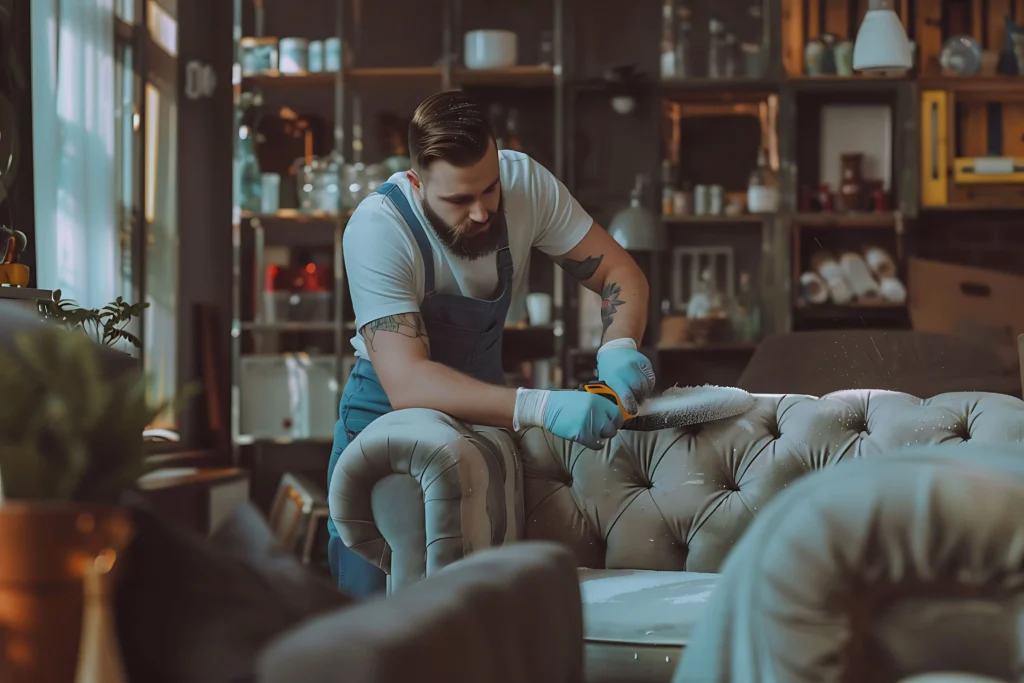
Upholstery cleaning solutions matter way more than most people realize. Think about it—your sofa, your favorite chair… they’re working for you every single day, and they don’t say a word. Every time you sit down, stretch out, even when your dog jumps up for a nap, they’re quietly taking it all in. Dust, skin oils, little spills… it all sinks in, bit by bit. You don’t notice it right away. Nothing yells, “Hey, I’m dirty!” It just… builds. Slowly. Day by day.
At first, everything looked fine. Cushions still feel soft. The fabric still looks clean. But then? You start to notice little things. The fabric isn’t as soft when you run your hand over it. Cushions feel heavier. And some smells? They just… stick. That’s usually when people think, “Hmm… something’s off here.” But your furniture? It’s been quietly changing for months.
That’s why cleaning isn’t just about spills. It’s about keeping your home feeling fresh, comfy, and right. Take care of your furniture before it starts showing the wear you didn’t even see coming.
What Upholstery Cleaning Is Really About
Upholstery cleaning is not about making furniture look brand new. It is about removing what fabric quietly holds onto. Upholstered furniture is layered. Fabric sits on top. Padding sits underneath. Air moves through it, but dirt and oils stay behind.
Over time, this causes
- Fabric to lose softness
- Colors to look dull
- Odors to settle deep
- Cushions to feel dense
Using the right upholstery cleaning solutions helps release what is trapped without stressing the fabric or padding underneath.
Why Furniture Feels Uncomfortable Before It Looks Dirty
Furniture does not always show dirt right away. Most of the problem stays below the surface.
Common things upholstery absorbs every day
- Body oils from skin and hair
- Dust from walking and air circulation
- Food crumbs that fall into seams
- Pet dander and fur
- Moisture from humidity
Vacuuming helps with loose debris, but it does not remove what has settled deeper. That deeper buildup is what changes how furniture feels over time.
Talking Through Upholstery Cleaning Methods Gently
Cleaning furniture is not about doing everything at once. It is about choosing what makes sense for the fabric and how the furniture is used.
Dry Cleaning for Fabrics That Need Caution
Some fabrics simply do not like water. Dry cleaning avoids soaking and focuses on gentle surface soil removal. This method protects shape, texture, and color, especially for sensitive materials.
Foam Cleaning for Regular Refreshing
Foam cleaning uses controlled moisture. Foam stays on the surface and lifts dirt upward. Padding underneath stays mostly dry. This works well for furniture that needs cleaning but not heavy treatment.
Steam and Extraction for Heavily Used Furniture
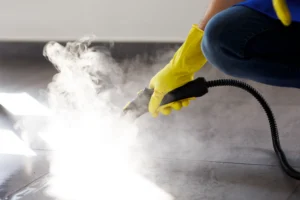
When furniture has absorbed years of use, deeper cleaning is needed. Steam and extraction pull dirt and allergens out of fibers and padding. Drying time matters here. Airflow matters even more.
Spot Cleaning for Everyday Life
Spills happen. Spot cleaning works best when done calmly. Gentle blotting helps. Scrubbing spreads stains and weakens fibers. Small amounts of upholstery cleaning solutions are enough when used correctly.
Tools That Help Without Overworking the Fabric
Furniture cleaning works better with patience than pressure.
A proper upholstery cleaning tool helps support fabric instead of pulling on it.
| Tool | How It Helps |
| Upholstery vacuum attachment | Removes loose debris safely |
| Soft brush | Loosens dirt without damage |
| Microfiber cloth | Absorbs moisture evenly |
| Home extractor | Pulls moisture back out |
A home upholstery cleaner can help with maintenance, but moving slowly is important. Furniture needs time to release moisture naturally.
How Upholstery Cleaning Products Affect Furniture Over Time
Cleaning products leave a memory in fabric. Some products clean fast but leave residue. That residue attracts dirt again, which makes furniture feel dirty sooner next time.
Knowing how to choose upholstery cleaning products helps avoid this cycle.
Better products
- Rinse out fully
- Do not coat fibers
- Do not overpower natural fabric scent
- Match fabric sensitivity
A good upholstery cleaner leaves fabric feeling neutral, not treated.
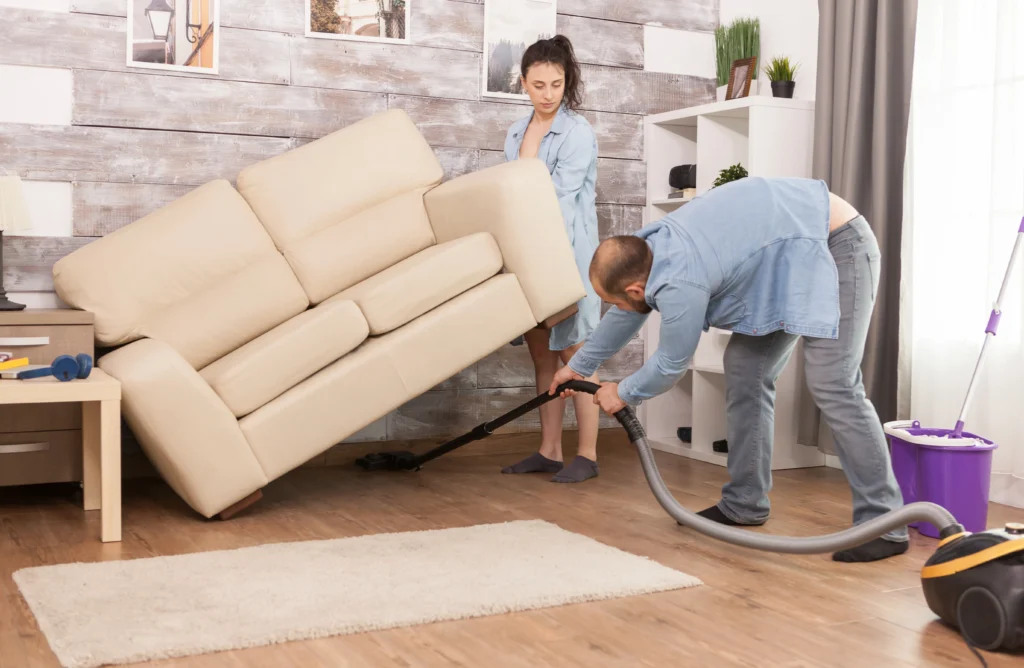
DIY Upholstery Cleaner and Knowing When to Stop
A diy upholstery cleaner works best for small, manageable situations.
DIY cleaning helps with:
- Fresh spills
- Light surface dirt
- Regular upkeep
Professional cleaning becomes important when:
- Odors return after cleaning
- Stains have been there for a long time
- Fabric is delicate or expensive
- Furniture gets heavy daily use
A professional upholstery cleaning company controls moisture carefully and understands fabric behaviour. Many people search for the best carpet cleaning company, but upholstery needs a slower, gentler approach.
Upholstery Cleaning Cost Explained Calmly
Upholstery cleaning cost reflects care, time, and risk.
Pricing usually depends on:
- Fabric type
- Cushion thickness
- Level of buildup
- Drying requirements
| Furniture | Cost Level |
| Dining chair | Lower |
| Armchair | Medium |
| Sofa | Medium to high |
| Sectional | Higher |
Very low upholstery cleaning services prices often mean shortcuts that cause odors or stiffness later.
Upholstery Cleaning Safety Tips That Matter More Than Expected
Most furniture damage comes from too much water or too much product.
Important upholstery cleaning safety tips:
- Avoid soaking cushions
- Never mix chemicals
- Allow full drying
- Keep air moving
Furniture should dry evenly and completely. Trapped moisture leads to odor and fabric breakdown.
How Often Upholstery Really Needs Cleaning
Cleaning does not need to be constant. It needs to be timely.
- Light use furniture once a year
- Heavy use furniture twice a year
- Homes with pets or allergies more often
Regular vacuuming plus proper upholstery cleaning solutions keep furniture comfortable long-term.
Conclusion:
Upholstery cleaning is not about perfection or speed. It is about slowing down, understanding what fabric holds onto, and using upholstery cleaning solutions with patience and care. When furniture is treated this way, it stays comfortable, smells fresher, and supports daily living instead of quietly wearing down over time.
Frequently Asked Questions
What are upholstery cleaning solutions?
They are products used to remove dirt, stains, and odors from fabric furniture.
Are upholstery cleaning solutions safe for all furniture?
They are safe when chosen for the correct fabric.
How long does upholstery take to dry?
Most furniture dries within four to twelve hours.
Can old stains be removed?
Old stains can often be reduced but not always erased.
Is a home upholstery cleaner enough?
It works for light maintenance, not deep odors.
How often should upholstery be vacuumed?
Upholstery should be vacuumed weekly.
Are professional cleaners worth the cost?
Professional cleaning often extends furniture life.
Can pet odors be removed?
Deep pet odors usually need professional extraction.
What is the most common upholstery cleaning mistake?
Using too much water or product causes lasting problems.
When should professional cleaning be chosen?
Professional cleaning is best for delicate fabrics and heavy buildup.