
Construction cleaning has become one of those services people don’t fully understand until they walk into a freshly built house and see what’s left behind. At first glance, everything looks new. But take one step inside, run a finger across a countertop, breathe in a little too deeply, and suddenly the truth shows itself.
Dust settles everywhere. Drywall powder hides on windowsills. Tiny debris sits in corners no one notices. This is exactly why more people across the USA are turning toward eco-friendly and professional cleanup services. They want a space that truly feels new, not just looks new from a distance.
Why Eco-Friendly Construction Cleaning Is Becoming the New Normal
There’s a big shift happening in how people think about their homes. It’s no longer just about finishing the build. It’s about making the space safe, livable, and healthy from day one. And because of that, eco-friendly construction cleaning is gaining serious attention.
Families want fewer chemicals. They want clean air after a build, not a cloud of dust floating around for days. They want surfaces wiped with products that won’t irritate skin or leave harsh smells. When the entire home is brand new, the last thing anyone wants is harmful residue from strong cleaning agents.
Builders have also started paying more attention. A clean home sells faster, photographs better, and creates a better experience during final walkthroughs. This shift toward sustainable cleaning is becoming the new industry standard.
What People Really Mean When They Ask: “What Is Post Construction Cleaning?”
People search what is post construction cleaning because they’ve heard the phrase but don’t know what it includes. And honestly, the name makes it sound simpler than it is. It’s not regular cleaning. It’s not just vacuuming and wiping surfaces.
It’s the process of turning a dusty, debris-filled, just-built structure into a home someone can live in comfortably. It covers things most people don’t think about, like dust hiding in cabinet tracks or fine particles floating inside vents. It’s layers of cleanup done in a specific order because the dust keeps falling as you work.
How the Professional Cleanup Process Really Works
Professional cleaners follow a set sequence not because it looks fancy, but because it’s the only way to fight construction dust effectively. Anyone who has ever tried to do it on their own knows the dust just keeps coming back.
Here’s the breakdown.
Stage 1: Rough Cleaning
This stage is almost like clearing the battlefield before the real work begins. construction debris removal happens here, scraps, packaging, leftover materials, chunks of drywall, broken tiles, and anything too large for standard cleaning tools. This step makes the home safe to move around in and prepares it for deep cleaning.
Stage 2: Detailed Cleaning
This is where the magic happens. Every surface, every corner, every fixture gets attention. It’s the heart of construction cleaning, the part that takes the longest and makes the biggest difference.
Things like:
- window tracks
- drawer interiors
- ceiling fans
- baseboards
- vents
- light fixtures
get cleaned with patience and precision. This is where HEPA vacuums and microfiber cloths shine, ensuring that dust is removed, not moved around.
Stage 3: Final Cleaning
The final cleaning is like giving the home a last gentle polish. Small smudges, fingerprints, and final bits of dust are addressed. Floors are shined. Surfaces are checked again. This is the moment the home finally looks complete.
The Questions Everyone Asks: How Do You Remove Sheetrock Dust?
DIY cleanup is tempting, but sheetrock dust is tricky. People search how to remove sheetrock dust because sweeping it makes things worse. The dust is so fine it floats back up and spreads throughout the home.
A correct approach looks something like this:
- HEPA vacuum first
- use lightly damp microfiber cloths
- wipe gently from top to bottom
- let the air settle, then vacuum again
Slow, steady, and methodical is the only way to win.
How to Clean Up Drywall Dust Without Making a Bigger Mess
Another common search is how to clean up drywall dust, and it always leads to the same rule: avoid pushing the dust around. Regular brooms and feather dusters just send dust into the air. Professionals rely on tools that trap dust instead of spreading it.
The Best Way to Clean Construction Dust
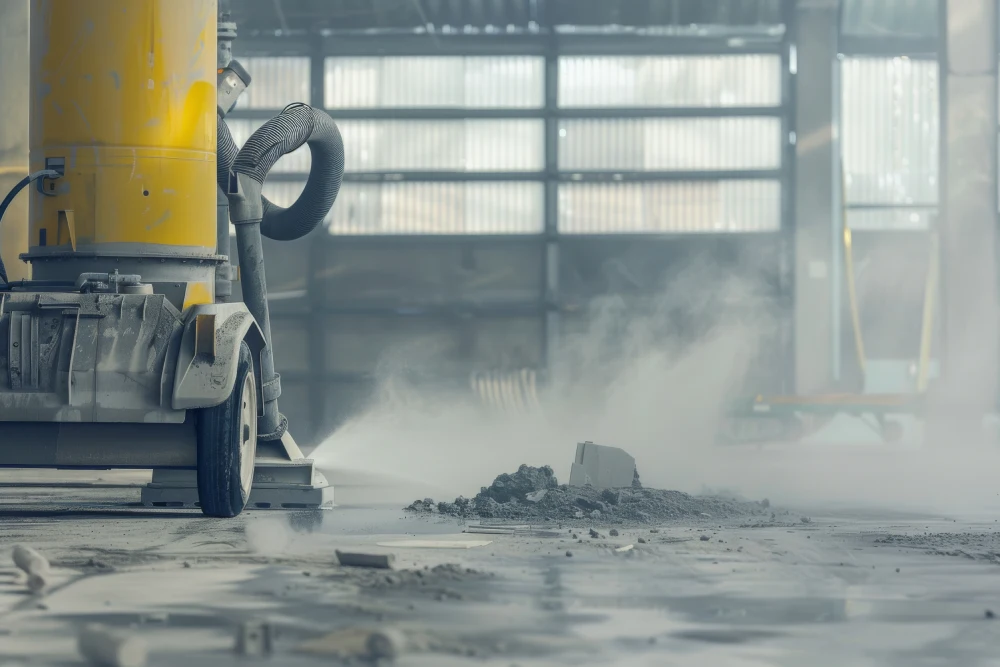
The best way to clean construction dust is to think in layers. Everything starts with high surfaces because dust falls. Once ceilings, lights, and fans are cleaned, the dust naturally settles onto lower areas. After that, the process moves downward until the last place, the floor is cleaned.
This simple top-to-bottom method is the secret to real results.
Renovation Cleaning: A Different Challenge Than New Builds
renovation cleaning is a different kind of challenge because old materials mix with new ones. Demolition dust is heavier, stickier, and harder to remove. Paint drops, dried grout, and tile residue cling to surfaces. That’s why renovation cleanup usually takes longer and requires more detail.
A Practical Construction Site Clean Up Checklist
These checklists make things easier for both homeowners and builders.
Interior Checklist
- wiping cabinets inside and out
- dusting ceilings and corners
- vacuuming with HEPA systems
- cleaning light switches and outlets
- washing windows and removing stickers
Exterior Checklist
- clearing outdoor debris
- sweeping patios and entryways
- washing exterior windows
- removing leftover packaging
A list like this forms the backbone of a good post construction cleaning checklist.
What Do Post Construction Cleaning Rates Look Like in the USA?
Many search for new construction cleaning rates or post construction cleaning rates to know what to expect. While every project is different, there are common price ranges.
| Cleaning Level | Price Range | Notes |
| Rough Clean | 0.15–0.25 per sq. ft | Removes large debris |
| Detailed Clean | 0.25–0.50 per sq. ft | Focuses on fine dust |
| Final Clean | 0.15–0.30 per sq. ft | Last-stage polishing |
| Full Package | 0.50–0.90 per sq. ft | All stages included |
These numbers help people estimate the construction cleanup cost before hiring a team.
Cleaning New Construction Homes With Care
Cleaning new construction homes requires delicacy. Newly installed materials are sensitive. Floors scratch easily. Windows streak if wiped incorrectly. Cabinets and countertops absorb dust fast. A detailed cleaning prevents damage and protects the brand-new look every homeowner expects.
Why Builders Now Prefer Working With Cleaning Experts
Builders understand that delivering a dusty home affects their reputation. A finished home should shine, smell fresh, and feel ready. That’s why more builders now partner with professionals who understand construction cleaning inside out. It saves time, avoids complaints, and makes final inspections smoother.
Conclusion:
As homes become more energy-efficient and airtight, indoor air quality matters even more. Eco-friendly construction cleaning is becoming essential, not optional. HEPA vacuums, green products, and sustainable techniques are shaping the next generation of cleaning standards. The goal is simple: create healthier homes that are truly move-in ready.
Frequently Asked Questions
What makes post construction cleaning different?
It handles heavy dust, debris, and materials that regular cleaning can’t manage.
Why does construction dust keep coming back?
Fine particles stay in the air and settle repeatedly if not removed correctly.
Is eco-friendly cleaning strong enough?
Yes, green products today clean effectively without harsh chemicals.
How long does cleaning take?
Usually 6 to 12 hours for a typical home.
Why is sheetrock dust so difficult?
It’s extremely fine and spreads with the slightest movement.
Which stage is the most important?
Detailed cleaning, because it removes the majority of fine dust.
Can regular vacuums remove drywall dust?
No, drywall dust can clog standard vacuums. HEPA filtration is needed.
Are construction cleaning costs negotiable?
Some companies offer packages, but rates mostly depend on square footage.
Is renovation cleaning harder than new build cleaning?
Yes, renovation dust is heavier and more widespread.
Why do builders prefer professional cleaners?
It ensures a clean handover, fewer issues, and better customer satisfaction.